Collaborative Investment
Application for Funding Business Investors: Collaborative Disaster Response Solutions
Dear Investor’s ,
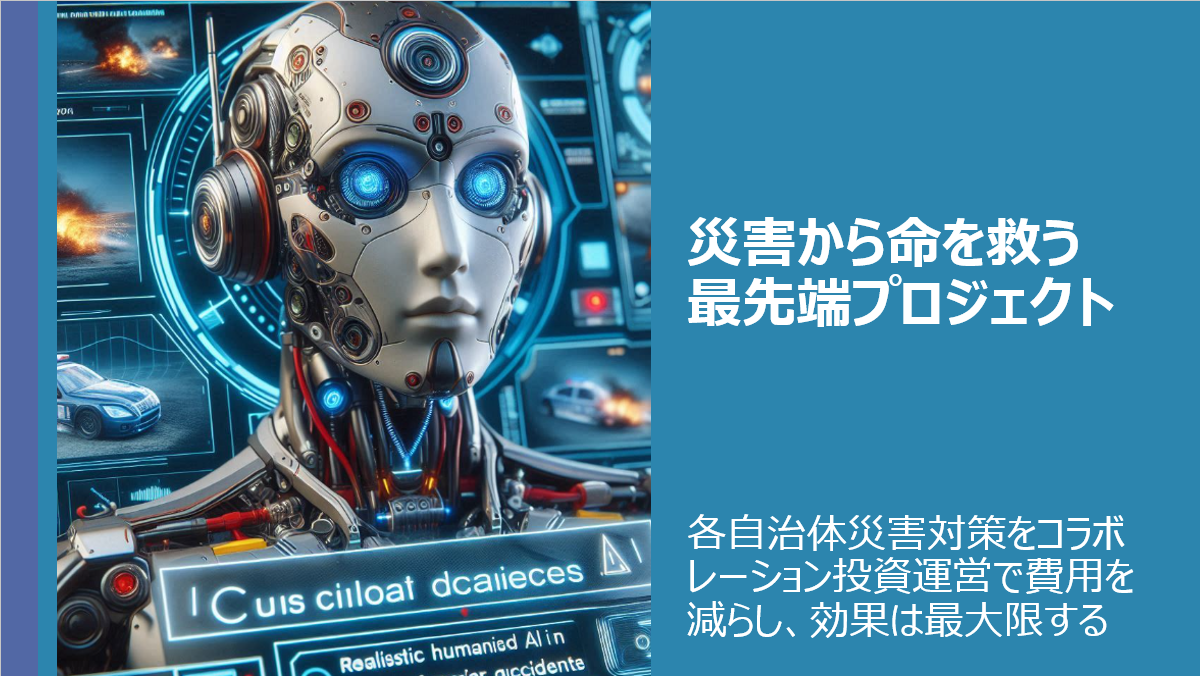
I am writing to introduce an innovative collaboration opportunity that merges cutting-edge technology with societal impact. Through the development of the ZENO AI Platform, we aim to redefine disaster response systems by creating scalable, user-centric solutions that mitigate the impact of disasters and bolster community resilience.
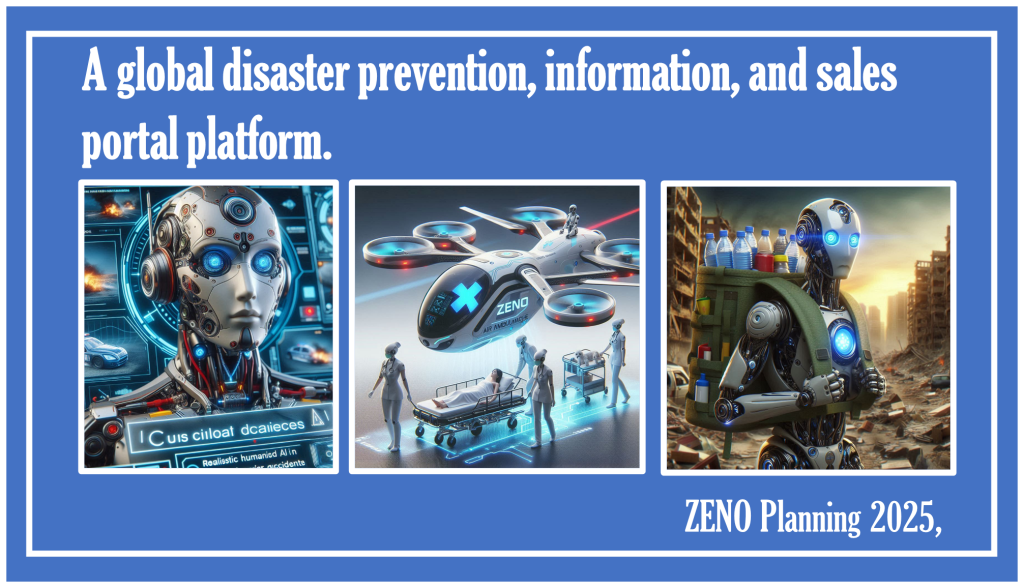
Project Overview:
1. ZENO AI Autonomous Agent Control Tower
– Real-time data collection, analysis, and forecasting to anticipate scenarios and guide autonomous agents in decision-making.
– Continuous monitoring and visualization capabilities enhance situational awareness during crises.

2. Humanoid Robot Technology
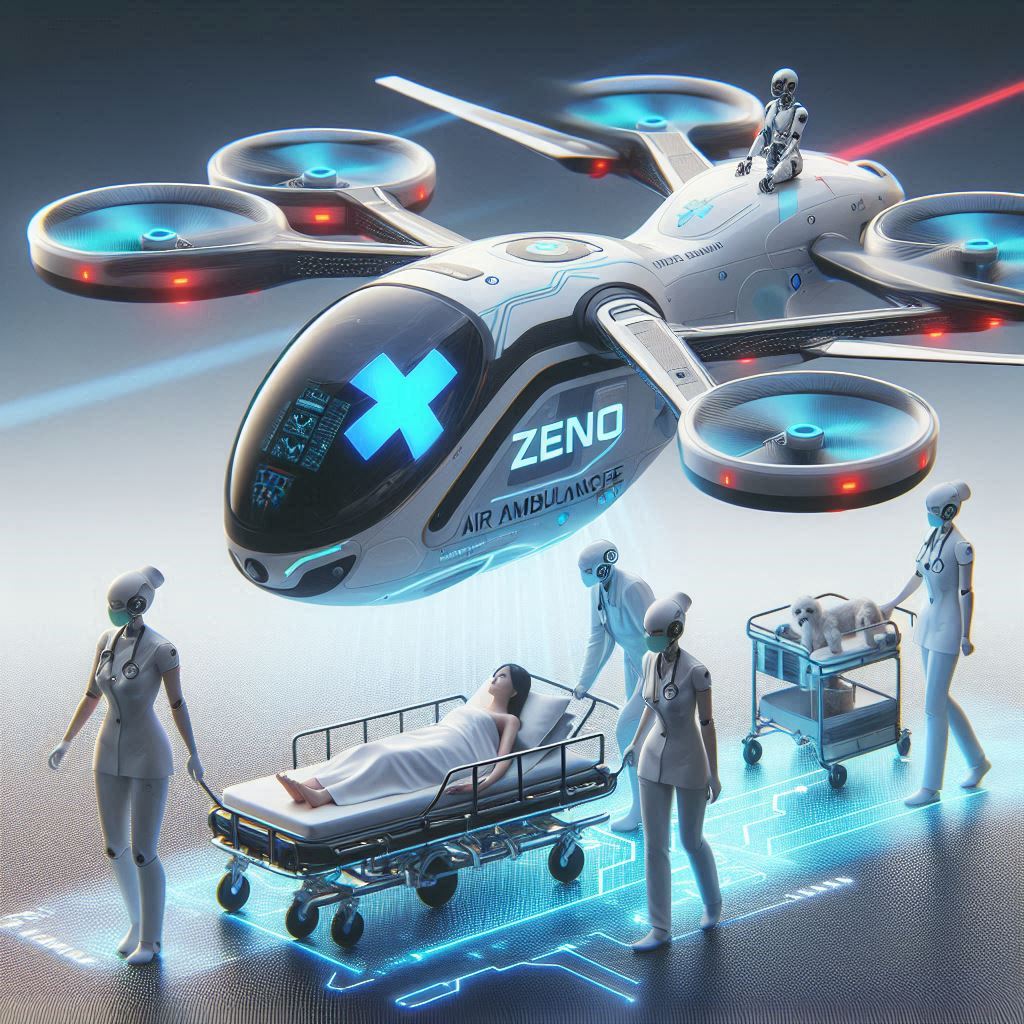
– Medical robots for diagnostics and treatments.
– Nursing robots for patient care.
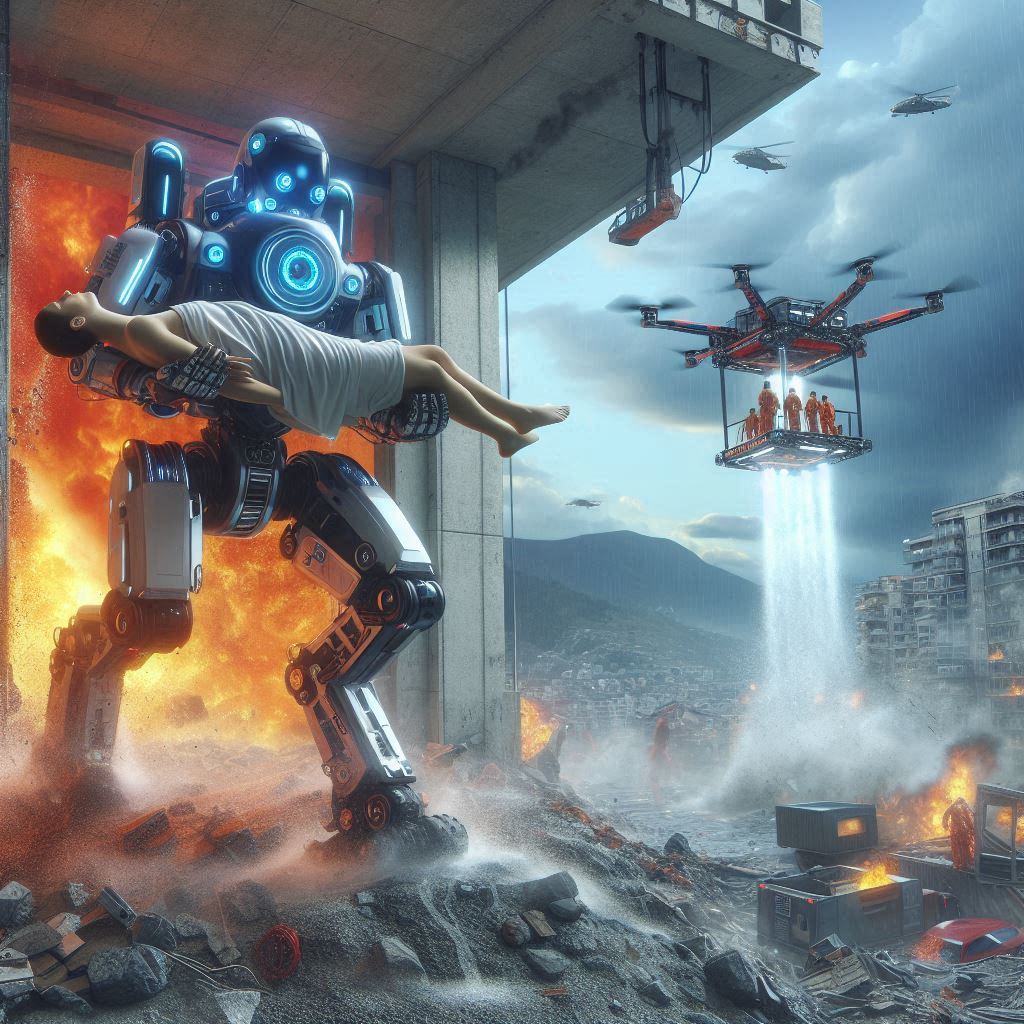
– Rescue robots and flying robots for life-saving operations in disaster areas.
– Work robots supporting infrastructure repair and maintenance.
3. Drone Solutions
– Emergency medical drones for rapid delivery of supplies.
– Rescue drones equipped to handle heavy rains and floods.
– Personnel transport drones for evacuation, alongside intelligence and delivery drones for operational efficiency.
Funding Needs:
We seek [specific amount] in funding to scale our platform, refine functionalities, and expand market presence through [500billion].
We believe your expertise and shared commitment to societal challenges make you an ideal partner for this journey.
Thank you for considering this collaboration. I look forward to discussing this opportunity in greater detail.
Warm regards,
Makoto
President & Founder
makoto@bmmedia.jp
bmmediamakoto@gmail.com
ZENO AI Autonomous Agent Control Tower
•Serves as the intelligent nerve center of the entire system, continuously collecting, analyzing, and forecasting real-time data from sensors, satellites, and local sources.
•Supports autonomous agents in making rapid, informed decisions during emergencies.
•Enhances situational awareness through persistent monitoring and dynamic visualization, enabling swift and coordinated crisis response.
2. Humanoid Robotics for Human-Centered Response
•Medical Robots: Assist in diagnostics, triage, and treatment in overwhelmed healthcare settings.
•Caregiving Robots: Provide compassionate support to vulnerable individuals, including the elderly and disabled.
•Rescue & Aerial Robots: Navigate disaster zones to locate, assist, and evacuate survivors—even in inaccessible areas.
•Maintenance Robots: Restore critical infrastructure such as power lines, water systems, and communication networks with precision and safety.
3. Advanced Drone Solutions for Rapid Action
•Emergency Medical Drones: Deliver life-saving supplies to affected areas within minutes.
•Rescue Drones: Equipped to operate in extreme weather conditions, including floods and typhoons, with onboard lift systems for evacuation.
•Personnel Transport Drones: Enable swift and safe evacuation from danger zones.
•Data & Delivery Drones: Optimize logistics, gather real-time intelligence, and ensure the continuous flow of essential goods.
4. ZENO PHONE + Mic Drone Emergency Alert & Rescue System
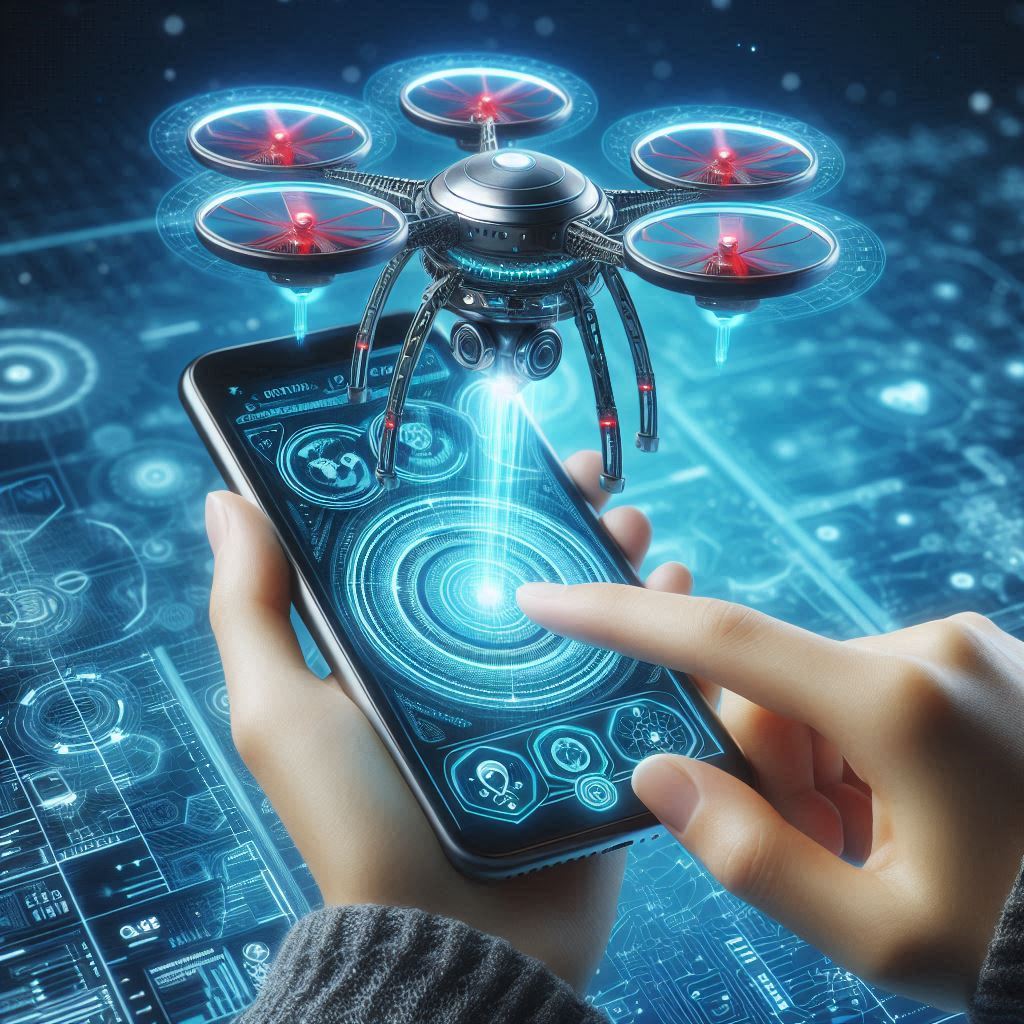
A personal disaster response kit combining a smart communication device with a micro-drone:
•Sends and receives emergency alerts, location data, and rescue signals.
•Connects individuals to the ZENO network for real-time updates, guidance, and support.
•Enables two-way communication even in disrupted infrastructure environments.
5. Resilient Living Units for a Mobile Future
ZENO reimagines housing as adaptive, mobile, and disaster-proof:
•Homes that fly, move, float, or remain suspended in the air or sea.
•Equipped with self-sustaining energy, water, and communication systems.
•Designed to eliminate the need for traditional shelters by bringing safety and dignity directly to people.
6. Stimulating Society and Revitalizing the Economy
ZENO is not just infrastructure—it’s a catalyst for societal transformation:
•Sparks innovation across sectors including robotics, AI, logistics, and construction.
•Creates new industries and employment opportunities in disaster resilience and smart infrastructure.
•Inspires a culture of preparedness, cooperation, and shared responsibility.
7. Optimized Delivery for Safer, Faster, Smarter Services
•Streamlines logistics through AI-driven routing and drone-based delivery systems.
•Reduces operational costs while increasing speed, safety, and service quality.
•Ensures that essential goods and services reach those in need—anytime, anywhere.
🟦 Slide Title: Investment Breakdown
Your investment will empower a transformative infrastructure platform designed to protect lives and build resilient societies. ▶ Total Investment Required: ¥1.5 Trillion
| Component | Purpose | Units / Scope | Estimated Cost (JPY 100M) |
| Drone Buses | Rapid deployment of personnel and supplies to disaster zones | 1,500 units | ¥450B |
| Flying Humanoid Robots | Autonomous rescue, reconnaissance, and transport | 150 units | ¥180B |
| ZENO Headquarters | Central AI command, data, and coordination hub | 1 site | ¥100B |
| Distributed Food Factories | Emergency food production in sea, mountain, and aerial locations | 10 sites | ¥150B |
| Infrastructure Development | Resilient utilities and aerial stations in major cities | Nationwide | ¥200B |
| ZENO PHONE + Mic Drone | Personal disaster response and communication devices | 1 million units | ¥200B |
| Autonomous AI Development | R&D for real-time decision-making and autonomous coordination | – | ¥120B |
| ZENO App Development | Disaster alerts, evacuation guidance, and community coordination platform | – | ¥30B |
| Personnel & Operations | Staffing, maintenance, and system operations (3 years) | – | ¥120B |
| Public Engagement & Outreach | Education, training, and awareness campaigns | – | ¥50B |
Market Opportunity
TAM / SAM / SOM
• Total Addressable Market (TAM):
The global disaster response and resilience market is projected to exceed $100 billion annually, encompassing AI-driven forecasting, emergency coordination, and public engagement platforms[^2^][^4^]. With increasing climate volatility and urban density, ethical AI solutions are in high demand.
• Serviceable Available Market (SAM):
ZENO targets a unique intersection of faith-based networks, civic institutions, and humanitarian organizations. This includes municipalities, interfaith coalitions, NGOs, and academic partners across Asia, Europe, and the Americas. The platform’s ethical and theological foundation makes it especially relevant in regions where trust and community cohesion are central to disaster response.
• Serviceable Obtainable Market (SOM):
Initial outreach focuses on Japan’s Kansai region, leveraging EXPO2025 visibility to expand into Southeast Asia and global interfaith networks. A realistic short-term goal is to secure $5–10 million USD in partnerships and pilot programs over the next 18 months.
________________________________________
Growth Trends & Drivers
• AI + Public Resilience:
The fusion of predictive AI and community-based disaster response is accelerating. ZENO’s ethical framework positions it as a trusted alternative to purely technical platforms[^2^].
• Faith-Tech Synergy:
There’s a growing global appetite for technology that respects cultural and spiritual values. ZENO’s integration of theological insight with AI innovation offers a compelling narrative for diverse audiences.
• EXPO2025 Momentum:
With initiatives like flying cars and digital wallets, EXPO2025 is spotlighting futuristic, inclusive technologies. ZENO aligns perfectly with this vision, offering a human-centered approach to resilience and innovation.
________________________________________
Target Customer Segments
• Local & National Governments:
Seeking scalable, ethical disaster response tools that foster public trust.
• Faith-Based Organizations:
Churches, temples, mosques, and interfaith coalitions aiming to mobilize hope and action during crises.
• Academic & Research Institutions:
Focused on AI ethics, disaster sociology, and community resilience.
• Global Youth & Civic Movements:
Especially Gen Z, who value transparency, purpose-driven tech, and social impact.
Food, Clothing, and Housing Innovation Project
– Smart Clothing: Clothing with Temperature Regulation and Health Monitoring Functions
– Next-Generation Food Supply: Urban Vertical Farming, Insect-Based Food, Cultured Meat, etc.
– Sustainable Living Environments: Renewable Energy Housing, Modular Housing
Advanced Disaster Preparedness Project
– AI Prediction System: Early Warning for Earthquakes, Typhoons, Floods, etc.
– Drone Surveillance Network: Real-Time Situation Assessment during Disasters
– Regional Collaboration Platform: Information Sharing Platform for Local Governments, Residents, and Businesses
Advanced Lifesaving Project
– Emergency Response AI: Instantly Proposes the Optimal Rescue Route and Method after a Call
– Telemedicine Support: Remote Diagnosis and Treatment by Doctors in Disaster Areas
-Biosensors: Instantly Detect Dangerous Conditions from Biometric Data
–
Rescue Robot Development Project
– Debris Search Robot: Searching for life in tight spaces and dangerous areas
– Aerial Support Drone: Dropping supplies, collecting video footage, and relaying communications
– Amphibious Robot: Assisting rescue operations during tsunamis and floods
Medical Robot Manufacturing Project
– Surgical Support Robot: Assisting doctors with precise control
– Nursing Care Support Robot: Assisting and monitoring the daily lives of the elderly
– Rehabilitation Support Robot: Supporting motor function recovery
Transportation Infrastructure Development Project
– Autonomous Driving Transportation Network: Mobility support in urban and depopulated areas
– Aerial Transportation Systems: Drone taxis and flying cars
– Green Transportation: Introduction of electric buses, hybrid trains, and more
These projects are innovative on their own, but by working together they can create even greater social impact. For example, we have developed an “Integrated Disaster Response System” that combines disaster prevention measures and rescue robots, and a “Mobile Medical Unit” that combines medical robots and mobile infrastructure.
If you would like to compile these into a proposal or business plan, we can also help you with the structure and preparation of materials. Which area should we start by digging deeper into?
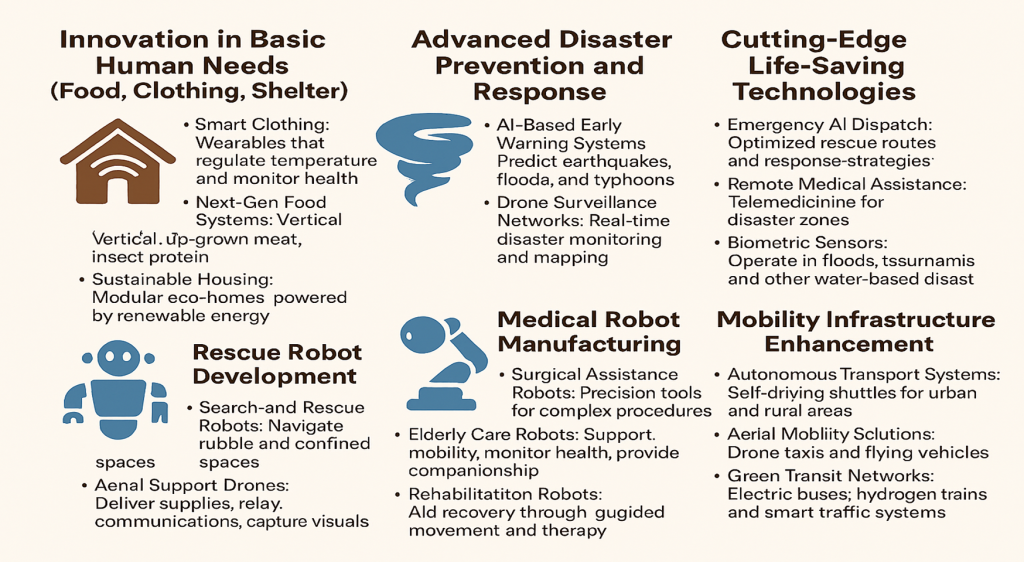
Innovation in Basic Human Needs (Food, Clothing, Shelter)
– Smart Clothing: Wearables that regulate temperature and monitor health
– Next-Gen Food Systems Vertical farming, lab-grown meat, insect protein
– Sustainable Housing: Modular eco-homes powered by renewable energy
Advanced Disaster Prevention and Response
– AI-Based Early Warning Systems: Predict earthquakes, floods, and typhoons
– Drone Surveillance Networks: Real-time disaster monitoring and mapping
– Community Coordination Platforms: Seamless communication between citizens, governments, and aid organizations
Cutting-Edge Life-Saving Technologies
– Emergency AI Dispatch: Optimized rescue routes and response strategies
– Remote Medical Assistance: Telemedicine for disaster zones
– Biometric Sensors: Real-time health monitoring for rapid intervention
Rescue Robot Development
– Search-and-Rescue Robots: Navigate rubble and confined spaces
– Aerial Support Drones: Deliver supplies, relay communications, capture visuals
– Amphibious Robots: Operate in floods, tsunamis, and other water-based disasters
Medical Robot Manufacturing
– Surgical Assistance Robots: Precision tools for complex procedures
– Elderly Care Robots: Support mobility, monitor health, provide companionship
– Rehabilitation Robots: Aid recovery through guided movement and therapy
Mobility Infrastructure Enhancement
– Autonomous Transport System: Self-driving shuttles for urban and rural areas
– Aerial Mobility Solutions: Drone taxis and flying vehicles – Green Transit Networks: Electric buses, hydrogen trains, and smart traffic systems